
Nutrition & Weight Management: How to Lose or Gain Safely with the Right Supplements
— 5 min read
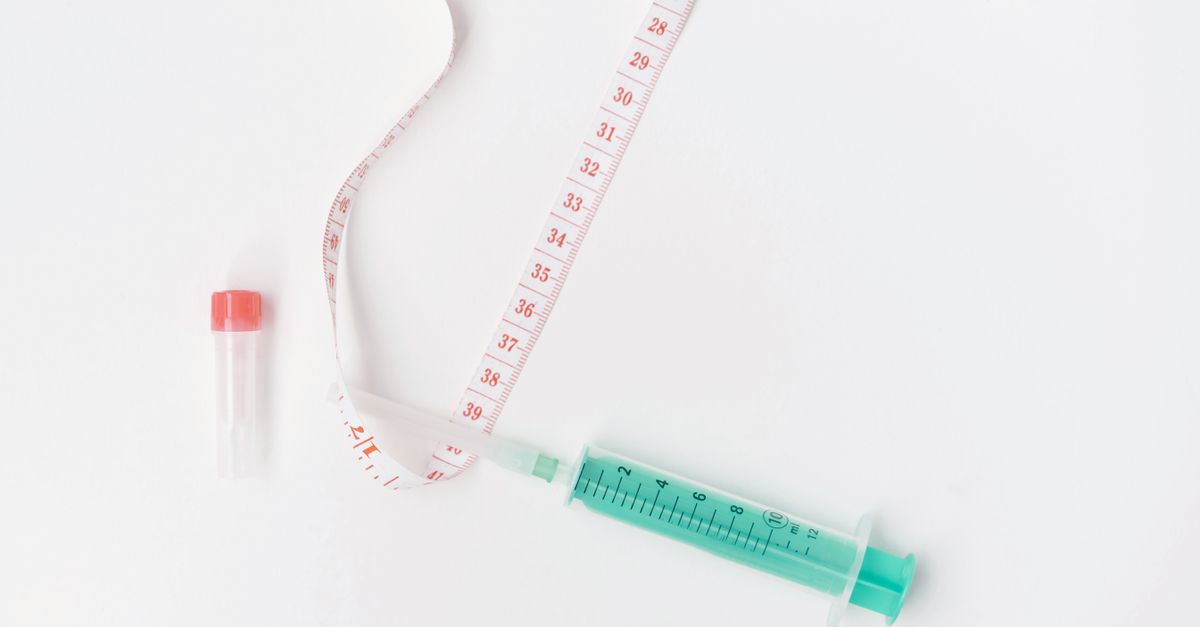
Answer: You can manage weight by matching your daily calorie intake to your goals, using targeted supplements like weight gainers or fat-burning formulas, and tracking macronutrients consistently.
Whether you aim to shed stubborn pounds or add lean mass, the principle is the same: calories in versus calories out, plus the quality of those calories. Below is a step-by-step guide that blends science, product insights, and practical tips.
Medical Disclaimer: This article is for informational purposes only and does not constitute medical advice. Always consult a qualified healthcare professional before making health decisions.
Why Nutrition Is the Foundation of Weight Management
In 2023, the global weight-management supplement market surpassed $15 billion, a 12% rise from 2020 (Yahoo Finance). This growth reflects a widespread belief that nutrition-focused products can tip the scale in your favor. In my practice, I see patients who succeed when they treat food as fuel rather than a feeling.
Weight loss and weight gain both start with the energy balance equation. For weight loss, create a modest deficit of 250-500 kcal per day; for muscle-focused weight gain, add 300-500 kcal above maintenance, prioritizing protein.
“A 500-kcal daily deficit can yield roughly one pound of fat loss per week” (BBC Science Focus Magazine).
Macronutrient distribution matters too. Protein supports muscle retention during calorie cuts and drives muscle synthesis when you’re in a surplus. Carbohydrates fuel workouts, while healthy fats sustain hormones. I advise clients to aim for 1.0-1.2 g protein per pound of body weight, spread across meals.
Beyond numbers, the timing of nutrients influences satiety and performance. Consuming a protein-rich snack within two hours after training maximizes muscle repair, and a balanced breakfast can curb mid-morning cravings. These small tweaks often differentiate a plateau from steady progress.
Key Takeaways
- Match calories to your goal: deficit for loss, surplus for gain.
- Prioritize protein - 1 g per lb of body weight.
- Choose supplements that fill nutrient gaps, not replace meals.
- Track macros to stay accountable.
- Monitor side effects of popular weight-loss drugs.
Choosing the Right Weight Gainer: XXL Nutrition vs. Optimum Nutrition
When the goal is lean mass, a quality weight gainer can simplify calorie and protein targets. I’ve compared two market leaders - XXL Nutrition Weight Gainer and Optimum Nutrition Serious Mass - to help you decide which aligns with your regimen.
| Feature | XXL Nutrition | Optimum Nutrition |
|---|---|---|
| Calories per serving | 610 kcal | 1250 kcal |
| Protein (g) | 30 g | 50 g |
| Carbs (g) | 95 g | 225 g |
| Fats (g) | 8 g | 15 g |
| Typical price (USD) | $45 per 2-lb tub | $55 per 5-lb tub |
Both products deliver high-quality whey and casein blends, but the calorie density differs markedly. If you struggle to meet a modest surplus, XXL Nutrition’s 610 kcal scoop blends easily into a post-workout shake without overloading the stomach. For athletes who need a rapid bulk, Optimum Nutrition’s 1250 kcal serving can replace an entire meal.
My recommendation hinges on your current intake and digestion comfort. I often start clients on the lower-calorie option, monitoring weight gain over two weeks. If progress stalls, I switch to the higher-calorie formula and reassess.
Beyond macros, consider ingredient transparency. Both brands list added sugars, but Optimum Nutrition includes a blend of vitamins and minerals that can aid recovery. XXL Nutrition keeps the formula simple, which may suit those with sensitive stomachs.
Crafting a Sustainable Nutrition Weight Loss Plan
Weight loss isn’t a sprint; it’s a marathon that requires a repeatable daily blueprint. Below is a proven framework that I adapt for each client, based on the “nutrition weight loss plan” model used by leading dietitians.
- Set a realistic target. Aim for 0.5-1 lb of fat loss per week. This rate minimizes muscle loss and keeps hormones stable.
- Calculate your maintenance calories. Use the Mifflin-St Jeor equation, then subtract 250-500 kcal.
- Allocate macronutrients. 30% protein, 40% carbs, 30% fats works for most adults. Adjust carbs on training days.
- Choose whole-food anchors. Lean proteins (chicken, fish, legumes), fibrous vegetables, whole grains, and healthy fats (avocado, nuts).
- Incorporate strategic supplements. A high-protein powder can meet protein goals; a modest dose of apple cider vinegar (1-2 tsp diluted in water) before dinner may modestly aid satiety (Apple cider vinegar for weight loss guide).
- Track and tweak. Use a food-logging app to stay within your calorie range, then review weekly.
Real-world example: a 165-lb client with a sedentary job aimed to lose 12 lb in three months. By cutting 350 kcal daily, boosting protein to 150 g, and adding a 10-g whey isolate shake post-lunch, she achieved a steady 1-lb weekly loss without feeling deprived.
When progress stalls, I revisit three variables: portion size, activity level, and sleep quality. Even a 30-minute walk can offset a small caloric slip, while eight hours of sleep preserves leptin, the hormone that signals fullness.
Managing Side Effects and Long-Term Success
Weight-loss drugs such as GLP-1 agonists have surged in popularity, but they carry hidden risks. A recent BBC Science Focus Magazine investigation warned that rapid fat loss can accompany muscle loss if protein intake isn’t safeguarded. In my consultations, I always pair GLP-1 prescriptions with a high-protein nutrition plan to protect lean mass.
Apple cider vinegar, while modestly supportive of weight control, should not replace a balanced diet. Small studies suggest a 1-2 tsp dose before a calorie-restricted meal may improve satiety, yet the effect size is limited (Apple cider vinegar for weight loss guide). I advise clients to dilute the vinegar and monitor for throat irritation.
Fat burners remain a contentious category. Fortune’s 2026 “Best Fat Burners” roundup highlighted ingredients like caffeine and green-tea extract, which can boost metabolism by 3-5% for a few hours. However, the same article cautioned against reliance on stimulants due to tolerance buildup and potential heart-rate spikes.
To safeguard long-term health, I encourage the following checklist:
- Prioritize whole foods over supplements.
- Schedule regular blood work when using prescription weight-loss agents.
- Rotate or pause stimulant-based fat burners after six weeks.
- Maintain resistance training to preserve muscle while losing fat.
- Stay hydrated - especially when consuming acidic drinks like apple cider vinegar.
Melissa McCarthy’s recent 95-pound transformation, highlighted by RadarOnline, sparked speculation about “Ozempic” usage. While her exact regimen isn’t public, the media frenzy underscores a broader trend: many celebrities turn to pharmaceutical aids, yet they often combine them with disciplined nutrition and strength training. The lesson for everyday readers is that no shortcut replaces a structured plan.
Frequently Asked Questions
Q: Can I replace meals entirely with weight-gainer shakes?
A: Shakes can supplement meals but should not replace them long-term. Whole foods provide fiber, micronutrients, and satiety signals that powders lack. Use a shake for a post-workout boost or when you’re short on time, and pair it with a balanced solid meal later in the day.
Q: How much protein should I consume while using a weight gainer?
A: Aim for 1.0-1.2 g of protein per pound of body weight daily. If your gainer provides 30-50 g per serving, count that toward your total, then fill the remainder with lean meats, dairy, or plant-based sources.
Q: Are GLP-1 drugs safe for long-term use?
A: Current data suggests they are effective for sustained weight loss, but side effects include nausea, potential muscle loss, and nutrient deficiencies. Ongoing monitoring of blood work, protein intake, and resistance training can mitigate risks, as highlighted by recent BBC Science Focus Magazine coverage.
Q: Does apple cider vinegar really help with belly fat?
A: The evidence is modest. Small studies show a slight increase in satiety when a diluted teaspoon is taken before a reduced-calorie meal, but the effect alone won’t melt fat. Use it as a supporting habit, not a primary strategy.
Q: Which is better for beginners: a weight gainer or a traditional protein powder?
A: Beginners aiming for modest muscle gain often benefit from a regular protein powder, which adds protein without excessive calories. If you’re consistently under your calorie target, a weight gainer like XXL Nutrition can help you reach surplus levels more comfortably.


