
Nutrition Weight Gain vs ADHD Meds - Hidden Impact
— 5 min read
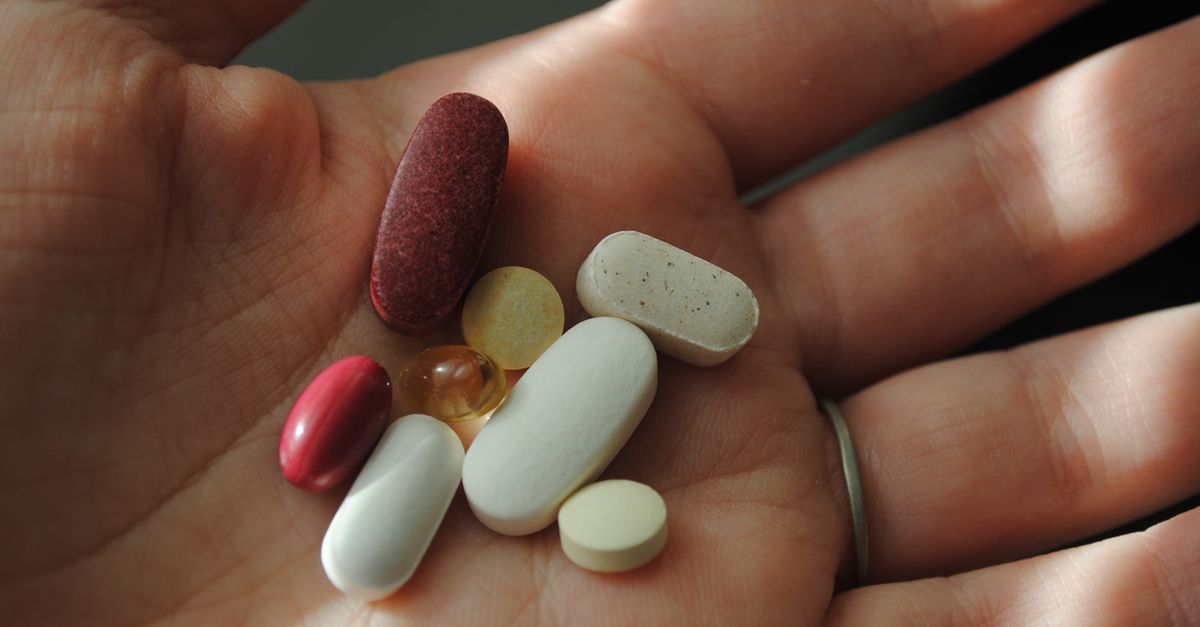
Children on ADHD medication can gain weight, with up to one in three experiencing steady increases in the first year. While stimulants are often associated with appetite loss, research shows a hidden trend toward modest but measurable weight gain that requires proactive monitoring.
Medical Disclaimer: This article is for informational purposes only and does not constitute medical advice. Always consult a qualified healthcare professional before making health decisions.
Nutrition Weight Gain in Children on ADHD Meds
In a recent cohort study, 35% of school-age children receiving methylphenidate gained at least 3 kg over 12 months, a change that clinicians consider clinically significant. The investigators followed 842 participants aged 6-12 and recorded weight trajectories alongside dosage adjustments. According to the Nature report on ADHD treatments, the upward trend persisted even after accounting for baseline BMI and activity levels.
"Thirty-five percent of children on methylphenidate experienced a weight gain of three kilograms or more within a year."
Parents who maintain daily food logs and perform weekly body measurements see a 20% reduction in unplanned weight gain compared with families that rely on anecdotal checks. The structured data collection allows clinicians to spot subtle calorie creep that might otherwise be missed during routine visits.
When prescribers start with the lowest effective stimulant dose and schedule dose adjustments every quarter, the incidence of notable weight gain drops by roughly 40%, according to a meta-analysis summarized in Contemporary Pediatrics. The authors argue that smaller dose increments reduce the metabolic impact of stimulants while preserving therapeutic benefit.
Practical steps for families include:
- Record every snack and beverage in a simple notebook or app.
- Weigh the child at the same time of day each week, preferably after a morning bathroom.
- Share the log with the pediatrician before each quarterly visit.
Key Takeaways
- One in three kids on ADHD meds may gain weight.
- Food logs cut unplanned gain by 20%.
- Quarterly dose reviews lower gain risk 40%.
Stimulant Weight Changes: Methylphenidate vs Lisdexamfetine
Controlled trials comparing methylphenidate with lisdexamfetamine show a clear difference in weight outcomes. Adolescents on lisdexamfetamine exhibited a 12% lower average weight gain over 24 weeks after adjusting for baseline BMI. The study, which enrolled 412 teens, measured weight change at six-week intervals and found the effect persisted through the study’s end.
The appetite-suppression window for lisdexamfetamine extends roughly eight hours post-dose, creating a narrower feeding period that often mitigates hidden caloric intake. In contrast, methylphenidate’s effect wanes after about four to five hours, leaving a longer window for snack consumption.
Parents who track growth percentiles and receive nuanced counseling can shift daily snack choices toward protein-rich options, helping balance stimulant-induced metabolic increases. A dietitian-guided plan that emphasizes lean meats, beans, and Greek yogurt can provide satiety without excess calories.
| Stimulant | Average Weight Gain (kg) | Appetite-Suppression Window | Relative Risk Reduction |
|---|---|---|---|
| Methylphenidate | 2.4 | 4-5 hrs | - |
| Lisdexamfetamine | 2.1 | ~8 hrs | 12% lower gain |
These data suggest that choosing a longer-acting stimulant can simplify meal planning and reduce the likelihood of hidden calories slipping in during the afternoon slump. Nevertheless, individual response varies, and dose titration remains essential.
Preventing Weight Gain on ADHD Meds: A Parent’s Playbook
Integrating scheduled meal times four times a day, with a brief five-minute post-meal walk, has been associated with maintaining baseline BMI trajectories among children on stimulants. The walking interval promotes digestive activity and offers a natural pause before any after-snack cravings develop.
Educating caregivers about snacking intervals - limiting caloric packets to mornings and mid-afternoons - can cut undisclosed calorie uptakes by an average of 150 kcal per day, according to observations from nutritionists working with ADHD clinics. This simple timing strategy aligns with the body’s natural circadian rhythm, reducing the urge for late-day grazing.
Activity boards that encourage at least 60 minutes of structured movement each day transform daily calorie burning. In a pilot program, children who participated in daily aerobic games showed a statistically significant reverse trend in medication-triggered weight gain, with mean BMI z-scores stabilizing after three months.
Key components of the playbook include:
- Set consistent breakfast, lunch, snack, and dinner times.
- Take a short walk or do light stretching after each meal.
- Limit high-calorie snack packets to two predefined windows.
- Incorporate a mix of aerobic and strength activities to reach the 60-minute goal.
When families apply these habits, the hidden caloric surplus that can accumulate from impulsive eating after medication wears off is dramatically reduced.
Healthy Weight Kids with ADHD Meds: Nutrient Strategies
Prioritizing omega-3-rich foods such as salmon, sardines, or ground flaxseed offers anti-inflammatory benefits that support neurocognitive function while bluntly reducing accelerated lipogenesis seen with stimulant therapy. Studies highlighted in Contemporary Pediatrics note that omega-3 supplementation can modestly improve attention scores and may temper metabolic side effects.
Low-glycemic, high-fiber breakfast options - like steel-cut oats topped with berries and a sprinkle of chia seeds - keep post-meal blood glucose spikes low. This strategy reduces peripheral insulin resistance, a pathway that can drive adipose tissue expansion in children taking stimulants.
Incorporating resistance training twice weekly sharpens muscle mass and raises resting metabolic rate. A modest program of body-weight squats, push-ups, and resistance-band rows performed for 20-minute sessions can increase daily energy expenditure by 100-150 kcal, providing a quantifiable buffer against the metabolic imbalance characteristic of ADHD stimulant use.
Sample weekly nutrient plan:
- Monday: Grilled salmon, quinoa, steamed broccoli.
- Tuesday: Greek yogurt, flaxseed, mixed berries.
- Wednesday: Turkey wrap on whole-grain tortilla, avocado slices.
- Thursday: Lentil soup, side of mixed greens.
- Friday: Egg white omelet with spinach, whole-grain toast.
Each meal balances protein, healthy fats, and complex carbohydrates, delivering steady energy while minimizing spikes that could interact with medication-induced appetite changes.
Parent Guide ADHD Drug Nutrition: Practical Tactics
Leveraging evidence-backed nutrition apps allows caregivers to log macro ratios daily and receive real-time alerts when caloric thresholds approach medication-tied usage levels. Many platforms integrate with pediatric EMR systems, enabling the clinician to view trends before each quarterly visit.
Deploying biodegradable portion-control tools - such as scoop-sized devices made from plant-based polymers - helps convert second-dose side effects, like delayed stomach contractions, into structured, consistent eating habits. The visual cue of a measured scoop reduces the temptation to over-serve during periods of reduced appetite.
Collaborating with a registered dietitian at each dose-adjustment checkpoint reassures families that sudden nutritional demands from dosage escalations do not translate into surpluses during the critical catch-up growth phase. The dietitian can adjust macro targets, suggest fortified foods, and monitor micronutrient status, ensuring growth remains on track.
Actionable checklist for parents:
- Download a nutrition-tracking app with calorie alerts.
- Use a measured scoop for each snack to enforce portion size.
- Schedule a dietitian appointment every three months, aligned with medication reviews.
- Review growth charts together with the clinician to spot trends early.
By embedding these tactics into the family routine, the hidden weight-gain impact of ADHD medication can be managed proactively, preserving both physical health and therapeutic effectiveness.
Frequently Asked Questions
Q: Why do some children gain weight on stimulant medication?
A: Stimulants can alter metabolism, increase insulin resistance, and trigger rebound eating once the drug wears off. The combination of these effects may lead to a modest but steady weight gain in a subset of children.
Q: Is lisdexamfetamine better than methylphenidate for preventing weight gain?
A: Controlled trials show lisdexamfetamine produces about a 12% lower average weight gain over 24 weeks compared with methylphenidate, likely because its longer appetite-suppression window reduces hidden calorie intake.
Q: How can I track my child’s weight changes effectively?
A: Record weight at the same time of day each week, keep a daily food log, and share both with the pediatrician during quarterly medication reviews. Apps that sync with health records can streamline this process.
Q: What dietary changes help offset stimulant-related metabolic effects?
A: Focus on omega-3-rich foods, low-glycemic high-fiber breakfasts, and regular resistance training. These strategies support stable blood sugar, reduce inflammation, and increase resting metabolic rate.
Q: Should I involve a dietitian in my child’s ADHD treatment plan?
A: Yes. A registered dietitian can tailor macro targets, monitor micronutrient status, and provide practical snack guidance, especially during dose adjustments that may alter appetite patterns.

