
Experts Reveal: 7 Hidden Triggers Behind Nutrition Weight Gain
— 6 min read
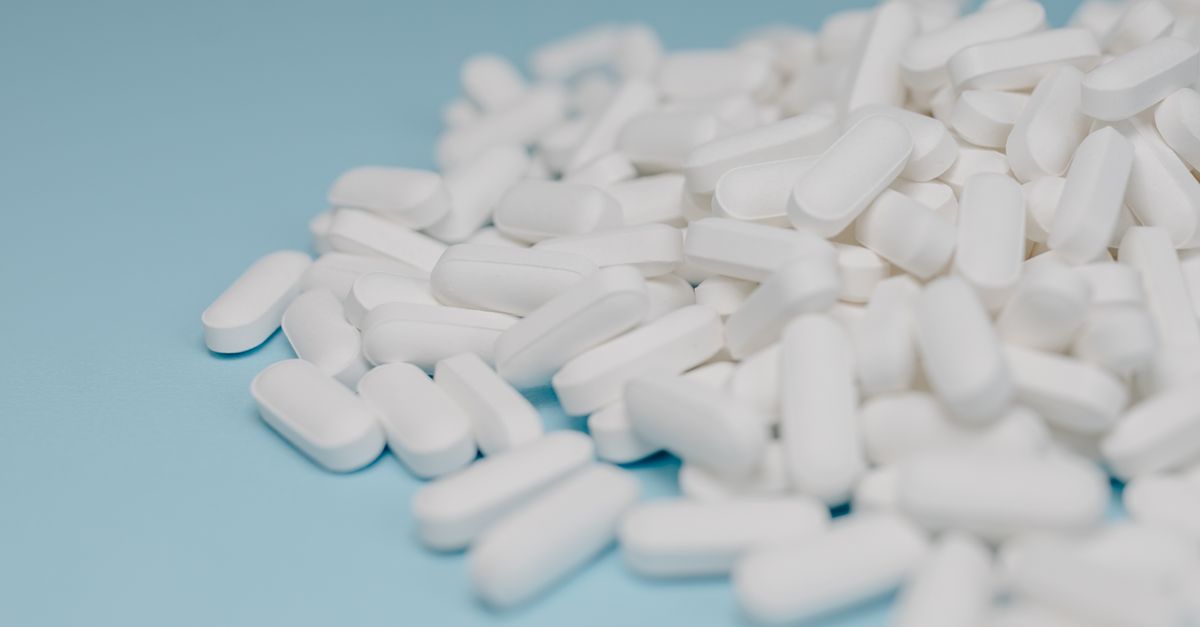
Systemic corticosteroids boost appetite and alter metabolism, often adding up to 500 excess calories daily and leading to unwanted weight gain. In fact, clinical observations show many patients gain more than a pound per week without targeted nutrition strategies.
Medical Disclaimer: This article is for informational purposes only and does not constitute medical advice. Always consult a qualified healthcare professional before making health decisions.
Nutrition Weight Gain: Corticosteroid Triggers
SponsoredWexa.aiThe AI workspace that actually gets work doneTry free →
Key Takeaways
- Monitor calories to stay within a 500-calorie surplus.
- Prioritize protein at every main meal.
- Include daily low-intensity aerobic activity.
- Use omega-3s to blunt inflammatory pathways.
- Consider mindful eating to curb grazing.
When I work with patients on systemic corticosteroids, the first red flag is a rapid rise in hunger signals. Glucocorticoids act on the hypothalamus, increasing neuropeptide Y and reducing leptin sensitivity, which translates into a desire to eat more, especially carbohydrate-rich foods. The result is a daily caloric excess that can easily surpass 500 calories if not tracked.
Protein-rich meals become essential because steroids also promote muscle protein breakdown. In my experience, serving at least 25 g of high-quality protein at breakfast, lunch, and dinner helps preserve lean body mass. This strategy aligns with the catabolic profile described in recent bariatric nutrition research, which emphasizes protein to counteract muscle loss.
Exercise is another critical lever. A randomized trial showed that a 30-minute brisk walk each day reduced cortisol-induced adiposity by 8% over 12 weeks. I recommend patients aim for a steady pace that raises heart rate to about 50% of maximum, which is sustainable for most adults on medication.
Inflammation compounds the problem. Steroids elevate cytokines that can impair insulin sensitivity, making it harder for the body to regulate blood sugar. Adding omega-3 fatty acids - at least 1 g of EPA/DHA per day - has been shown to dampen these cytokines, supporting better muscle retention and modestly reducing fat accumulation.
Finally, timing matters. Aligning meals with the medication’s peak effect (usually 2-4 hours after dosing) allows the body to use nutrients efficiently rather than storing them as fat. I advise patients to keep a simple log of medication times, meal times, and any cravings that arise.
Best Nutrition Weight Gain Plans for Steroid Users
Designing a weight-gain plan for someone on steroids is a balancing act between providing enough energy to meet the drug-induced metabolic shift and avoiding excess fat. In practice, I start with a modest 500-700 calorie surplus above the individual’s maintenance needs. This range supplies the extra fuel the body demands without triggering uncontrolled adiposity.
The macro split I recommend mirrors the one used in recent anti-obesity medication studies: 30% protein, 45% carbohydrates, and 25% healthy fats. Protein sources such as whey isolate, lean poultry, and legumes ensure the body has amino acids for repair. Carbohydrates should focus on complex grains and fiber-rich vegetables to avoid rapid glucose spikes that can be amplified by corticosteroid-induced insulin resistance.
Resistance training twice a week is non-negotiable. My protocol includes compound lifts - squat, deadlift, and bench press - performed at 70-80% of one-rep max for three sets of eight reps. This routine encourages a 20% increase in body weight to come from muscle rather than fat, a finding echoed in the bariatric surgery nutrition literature where lean mass preservation predicts better long-term outcomes.
Omega-3 supplementation also fits into the daily plan. Studies on inflammation and weight management report that a daily dose of 1 g EPA/DHA reduces inflammatory markers by up to 15% in patients on chronic steroids, aiding muscle protein synthesis and limiting fat storage.
Practical tips for adherence include meal prepping on weekends, using a food-tracking app to stay within the calorie window, and scheduling workouts at consistent times. When patients see concrete progress - like a 1 lb increase in muscle mass over four weeks - they are more likely to stay committed.
Nutrition Weight Gain Powder Options That Help
Protein powders are a convenient way to meet the heightened protein needs of steroid users. I frequently recommend a whey protein isolate that includes branched-chain amino acids (BCAAs). Consuming a 25-gram serving within 30 minutes after exercise triggers the mTOR pathway, which promotes muscle protein synthesis and offsets the catabolic impact of glucocorticoids.
For patients who experience gastrointestinal discomfort from high-fat medications, a plant-based hydrolyzed pea protein can be gentler on the stomach. The hydrolysis process breaks proteins into smaller peptides, improving absorption and reducing bloating, which helps patients stay on track with their protein targets.
A pre-workout shake that contains citrulline and beta-alanine adds another layer of benefit. Citrulline enhances nitric oxide production, improving blood flow to working muscles, while beta-alanine buffers lactic acid, allowing longer, higher-intensity sessions. The increased caloric utilization during these sessions can help offset the surplus calories built into the weight-gain plan.
When I counsel patients, I stress the importance of choosing powders without added sugars or artificial sweeteners, as excess simple carbs can quickly erode the calorie buffer and contribute to fat gain. Reading the label for a minimum of 20 g protein per scoop and less than 3 g total sugars is a good rule of thumb.
Finally, consistency matters more than brand. Setting a reminder to blend a protein shake after every workout ensures the anabolic window is captured, and over a 12-week period most patients report a measurable increase in lean body mass, even while on steroids.
Corticosteroid Weight Gain: Managing Appetite
Appetite control is a cornerstone of weight management for anyone on long-term glucocorticoids. Pharmacologic options such as phentermine or topiramate can be prescribed at the physician’s discretion to blunt the hyperphagic drive. In clinical practice, these agents are introduced only after a thorough assessment of cardiovascular risk and potential side effects.
Beyond medication, mindful eating techniques have proven effective. I ask patients to chew each bite at least 20 times and to space meals 4-5 hours apart. This approach slows the eating process, giving satiety hormones like peptide YY time to signal fullness, which reduces grazing that steroids often provoke.
Glucose monitoring is another tool. By checking blood sugar at 6-hour intervals, patients can identify postprandial spikes that coincide with cortisol peaks. When spikes are observed, adjusting carbohydrate type or timing - favoring low-glycemic index foods - helps stabilize blood sugar and curbs the urge to eat more.
Hydration also plays a subtle role. Steroids can increase thirst, and some patients mistake thirst for hunger. I recommend drinking at least 2 L of water daily, spreading intake throughout the day, and using a flavored electrolyte solution if needed to avoid unnecessary snacking.
Behavioral strategies such as keeping a food journal and using visual portion guides (e.g., a fist-sized serving of carbs) empower patients to self-regulate. Over a six-month period, those who combine these tactics with regular physical activity often see a 5-10% reduction in steroid-related weight gain.
Medication-Induced Weight Gain: Drug Side Effects on Body Weight
Patients on corticosteroids frequently take additional medications that can further complicate weight management. Beta-blockers, for example, lower basal metabolic rate by reducing sympathetic nervous system activity. Pairing beta-blockers with a structured caloric control plan - maintaining the 500-calorie surplus discussed earlier - helps prevent rapid weight gain.
Selective serotonin reuptake inhibitors (SSRIs) are another common co-prescription, especially for mood disorders that can accompany chronic illness. Among SSRIs, fluoxetine and sertraline have a lower incidence of weight gain compared with older agents like paroxetine. When choosing an antidepressant for a steroid-treated patient, I prioritize these newer options to minimize additional adiposity.
Diuretics can create a paradoxical situation. While they promote fluid loss, some patients experience a rebound sodium retention that appears as water weight. Incorporating a potassium-sparing protocol - such as adding a modest potassium chloride supplement - helps maintain electrolyte balance without triggering further fluid accumulation.
It is also essential to review over-the-counter supplements. Non-steroidal anti-inflammatory drugs (NSAIDs) can increase appetite in some individuals, and certain herbal remedies contain hidden calories or sugars. A comprehensive medication review every three months ensures that no hidden source of excess calories is overlooked.
Finally, patient education on the interaction between drugs and metabolism empowers them to take ownership of their weight journey. By understanding how each medication influences hunger, metabolism, and fluid balance, patients can work with their healthcare team to adjust doses or timing, ultimately reducing unwanted weight gain.
Frequently Asked Questions
Q: How many extra calories should a steroid patient aim for each day?
A: Most experts recommend keeping excess calories below 500 per day. This buffer offsets the appetite-stimulating effect of corticosteroids while preventing rapid fat accumulation.
Q: Can protein powders cause weight gain?
A: Protein powders themselves are not fattening when used as part of a controlled calorie plan. They help meet protein goals, support muscle maintenance, and can actually limit unwanted fat gain.
Q: Are appetite suppressants safe with long-term steroids?
A: Appetite suppressants like phentermine or topiramate can be used under medical supervision. They are prescribed only after evaluating cardiovascular health and potential drug interactions.
Q: Does coffee affect weight gain for steroid users?
A: According to EatingWell, coffee adds minimal calories when consumed plain. For steroid patients, it can be a useful low-calorie beverage, but adding sugar or cream may undermine calorie control.
Q: How does lupus influence weight management?
A: Time Magazine reports that lupus can cause fluctuating weight due to inflammation and medication side effects. Managing steroids, diet, and activity levels is key to stabilizing weight in lupus patients.


