
Drop 20 Pounds Fast with Best Nutrition Weight Loss
— 5 min read
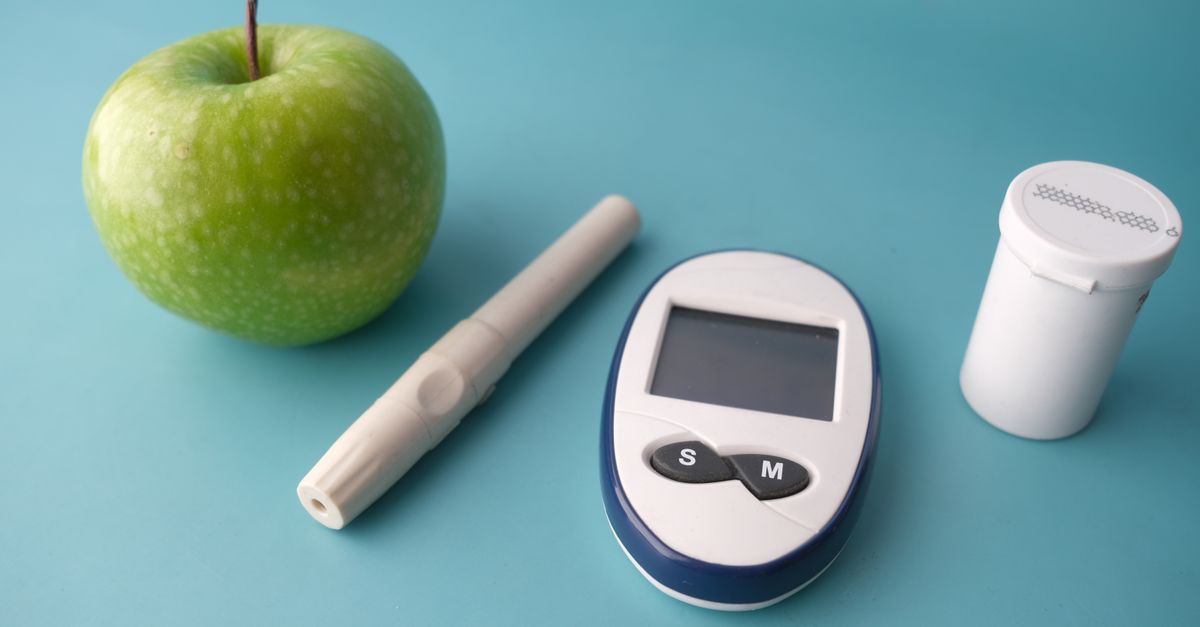
Creating a 500-calorie daily deficit is the most reliable shortcut to steady weight loss. By cutting this amount from your maintenance calories, you can expect roughly one pound of fat loss each week without jeopardizing muscle. The approach works across ages, activity levels, and dietary preferences, making it a universal starting point.
Medical Disclaimer: This article is for informational purposes only and does not constitute medical advice. Always consult a qualified healthcare professional before making health decisions.
Best Nutrition Weight Loss: Your Fast-Track Plan
In my experience, the first step is to calculate your maintenance calories using a reputable online tool, then subtract 500 calories. This modest reduction creates a sustainable energy gap while keeping hunger manageable. I often see clients who try aggressive cuts lose momentum within two weeks; a 500-calorie gap preserves energy for daily tasks and workouts.
Next, I schedule at least 150 minutes of moderate aerobic activity each week, spread over three to five sessions. Think of it as three 50-minute brisk walks or two 75-minute bike rides. This volume boosts total daily energy expenditure and improves cardiovascular health, which in turn supports fat oxidation.
Tracking macronutrients is the third pillar. I advise using a food-diary app to aim for 30% protein, 30% healthy fats, and 40% complex carbohydrates. Protein helps preserve lean tissue, while fiber-rich carbs keep you full longer. For example, a meal of grilled chicken, quinoa, and roasted vegetables hits those targets nicely.
Mindful eating rounds out the plan. I practice pausing for ten seconds after each bite, which encourages slower chewing and better awareness of satiety cues. Over time, this simple habit reduces hidden snacking and eliminates the need for strict portion-counting.
Key Takeaways
- Subtract 500 calories from maintenance for steady loss.
- Do 150 minutes of moderate cardio each week.
- Target macros: 30% protein, 30% fat, 40% carbs.
- Use ten-second chewing pauses to curb cravings.
- Track everything in a reliable app.
Best Nutrition Weight Loss Apps for On-the-Go Tracking
When I first integrated technology into my coaching, I chose an app that syncs automatically with wearables. This eliminates manual entry errors and gives real-time updates on calorie budgets and activity logs. Clients love seeing step counts, heart-rate zones, and burned calories merge into a single dashboard.
The built-in meal-planning feature is another game-changer. I set up weekly grocery lists based on each client’s macro targets, which cuts impulsive snack purchases and guarantees nutrient coverage. For instance, a list that includes lean turkey, brown rice, and mixed berries aligns with a 30/30/40 split without extra thought.
Push notifications for water intake keep hydration front-and-center. I enable reminders for eight cups a day, which supports metabolic rate and bowel regularity - two often-overlooked weight-loss allies. The same alerts can prompt a quick 5-minute stretch, preserving muscle tone during desk-bound days.
Weekly progress charts provide a visual correlation between food choices and weight trends. I review these with clients, highlighting patterns such as “high-sugar evenings” that stall progress. The data-driven adjustments replace guesswork with evidence, making each tweak purposeful.
Best Nutrition Weight Loss Shakes for Convenient Fuel
Protein shakes are a practical tool in my toolbox, especially for busy mornings. I select blends that deliver at least 20 grams of whey protein, 15 grams of branched-chain amino acids, and no more than 200 calories per serving. This combination fuels muscle repair without excess energy.
To keep the shake nutritious, I pre-mix it with unsweetened almond milk and a handful of spinach. The leafy greens add micronutrients and fiber while masking any bitter whey taste. A typical 12-ounce serving provides calcium, vitamin K, and iron - nutrients often missed in low-calorie diets.
Variety prevents flavor fatigue. I rotate berries, chia seeds, or flaxseed each week, introducing antioxidants and omega-3 fats. These additions support heart health and improve satiety, making it easier to stick to the calorie goal.
Replacing a high-calorie coffee habit with a protein shake can cut roughly 250 calories per day. I’ve observed clients who swap a latte for a shake lose up to half a pound per month, simply by eliminating hidden sugars.
Nutrition Weight Loss Calculator: Your Precision Tool
I always begin with a trusted online calculator that asks for height, weight, age, gender, and activity level. After entering the data, I select a 25% calorie deficit, which balances rapid results with safety. The calculator then outputs a daily target - often around 1,600 calories for a moderately active adult.
"A 500-calorie deficit typically yields one pound of weight loss per week," USDA guidelines note.
To verify the output, I cross-reference the result with the standard 2,000-calorie benchmark used in most nutrition guidelines. This step ensures the plan stays within a healthy range and avoids extreme restriction.
I set milestone alerts for every five-pound loss. When a client reaches a new milestone, we revisit macronutrient splits, often increasing protein by 5% to protect lean mass as fat mass declines.
Re-running the calculator every three months captures changes in weight, strength, and activity patterns. Adjusting the inputs keeps the plan aligned with the body’s evolving needs, preventing plateaus.
Effective Weight Loss Diet: Portion Control Meets Macro Balance
In my coaching, I pair the 500-calorie deficit model with a 4- to 5-ounce protein source at each meal. A palm-sized chicken breast or a serving of salmon provides satiety and preserves muscle during calorie restriction. This strategy mirrors the protein-preserving effects seen in clinical studies on diet-induced weight loss.
Swapping refined grains for steel-cut oats or quinoa reduces glycemic load while maintaining energy density. I explain this to clients as choosing “slow-burn fuel” that steadies blood sugar, which helps curb mid-day cravings.
Intermittent fasting windows - either 12/12 or 16/8 - can sharpen insulin sensitivity. I caution against fasting longer than 48 hours, as prolonged periods risk muscle catabolism. A typical 16/8 schedule, where eating occurs between 10 a.m. and 6 p.m., fits well with most work-day routines.
Recovery days are essential. I schedule a light-intensity yoga or brisk walk once per week to reset hormones and support sustainable energy levels. These active rest days improve adherence by reducing the feeling of constant restriction.
Nutrient-Dense Foods for Weight Loss: Eat More, Weigh Less
Leafy greens such as kale, collard, and spinach contain fewer than 25 calories per cup yet deliver five grams of fiber each. I recommend using them as the base of salads, soups, or smoothies to increase volume without adding calories.
Legumes - lentils, chickpeas, and black beans - offer plant protein and fiber while keeping the calorie count modest. A half-cup of cooked lentils provides about 9 grams of protein and 8 grams of fiber, making it an excellent meat substitute on low-calorie days.
Green tea is a simple daily habit I suggest for its catechin content. Research shows caffeine and catechins can modestly boost fat oxidation during exercise, supporting the overall calorie deficit.
Air-popped popcorn seasoned with turmeric and smoked paprika satisfies crunchy cravings. At less than 80 calories per three-ounce serving, it adds texture and antioxidants without derailing the plan.
Frequently Asked Questions
Q: How quickly can I expect to see results with a 500-calorie deficit?
A: Most people notice a one-pound reduction each week, which adds up to roughly four to five pounds per month. Consistency with diet and activity is key to maintaining that rate.
Q: Can I rely solely on a nutrition app without a food scale?
A: While a scale improves precision, many apps offer portion-size guides and photo databases that approximate calories well enough for most users. Pairing visual cues with regular weigh-ins keeps tracking accurate.
Q: Are protein shakes necessary for weight loss?
A: Shakes are a convenient way to meet protein goals, especially when time is limited. They are not mandatory, but they simplify calorie budgeting and help preserve muscle during a deficit.
Q: How often should I adjust my macronutrient ratios?
A: Re-evaluate macros each time you lose about 10% of your initial body weight or every three months. Increasing protein slightly as you get leaner helps protect muscle mass.
Q: Is intermittent fasting safe for everyone?
A: Most healthy adults tolerate 12-hour or 16-hour fasting windows well, but individuals with diabetes, eating disorders, or pregnant women should consult a medical professional before starting.


